Feeding Raw Bones
When choosing a raw bone for your dog, take into consideration, their size, feeding style (ie: greedy), behaviour and their experience of eating bones.
Feeding raw bones can be a concern for some owners.
Here we explain the best bones to start off with and what to consider when feeding bones to your individual dog.

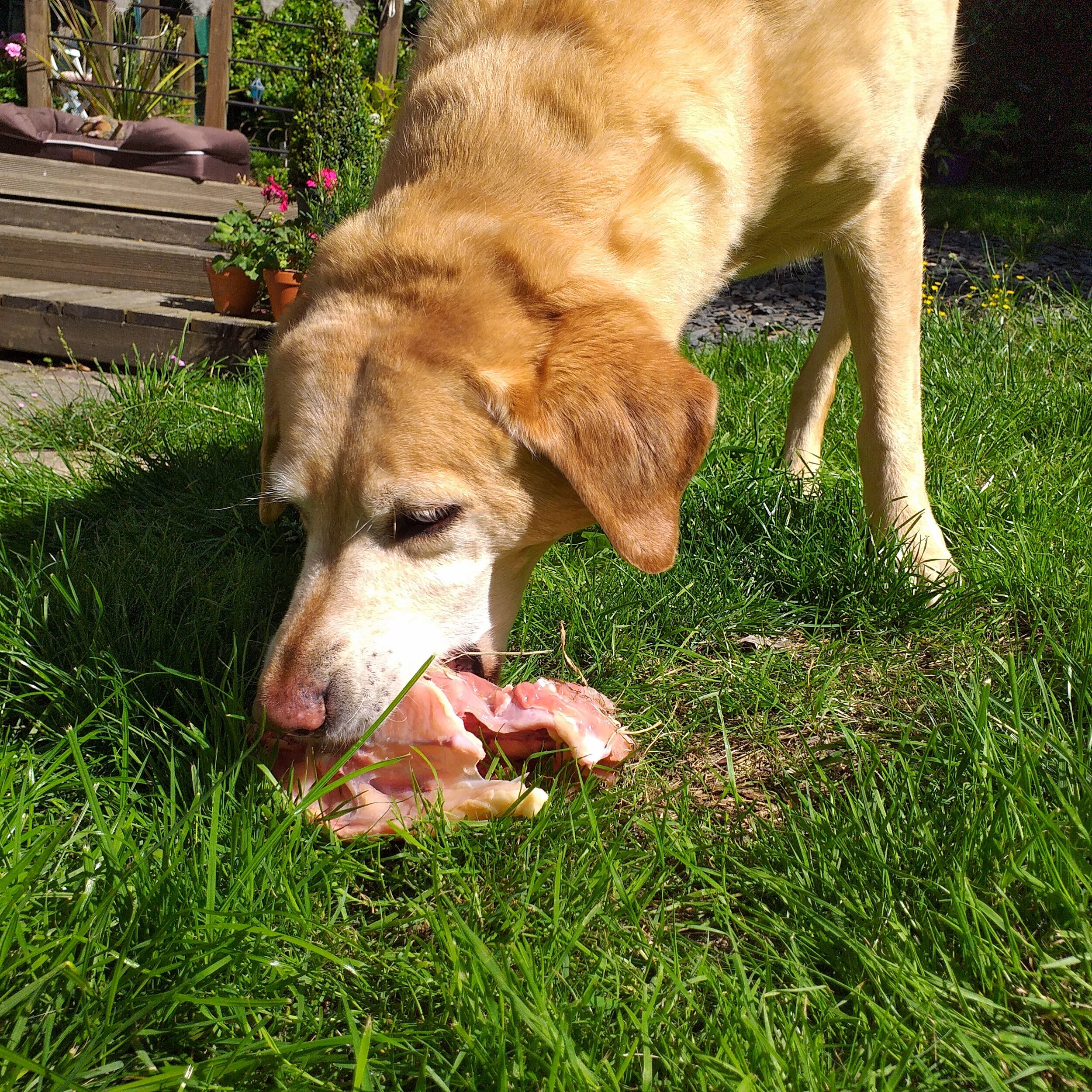
Edible bones, such as this raw chicken carcass, go towards the daily bone ration and are the ideal starter bone for pups, young dogs and beginners. They are soft, flexible and contain a lot of cartilage.
Bone is a very important part of feeding a raw food diet, but it is a subject that can cause worry and concern for the dog owner and often a reason people decide to rule out raw feeding altogether.
The inclusion of raw bone in the diet provides nutrients such as calcium, phosphorous, magnesium, fat soluble vitamins, amino acids and essential fatty acids, all of which are used by the body for blood and bone formation. Calcium is regarded as a macro-mineral and is the most abundant and essential mineral in the body. It isn`t just needed for optimum skeletal growth but also responsible for the correct functioning of muscle and nerve impulses, keeping the immune system healthy and regulating the heartbeat.
Meat contains high levels of phosphorous and very little calcium so feeding a diet of only meat and offal would be extremely deficient in vital minerals as well as giving the dog loose stools.
Our dogs anatomical features:
So what has nature blessed a dog with to make him so efficient at eating and digesting bone?
Just a glimpse inside a dog’s mouth will show a whole range of “tools” to make the job of piercing, tearing and slicing meat and bone an easy task. A pair of specialised teeth for crushing, called the Carnassial are the largest and most jagged of the premolars and you will notice your dog tilting his head on the side in order to bring them into full use.
Unlike ourselves and herbivores, a dogs jaw has no sideways, grinding action, so in order to add lubrication within the mouth and around the food there is a lot of saliva production to assist its transit to the stomach. Once in the stomach there is an incredibly strong stomach acid to not only help kill any bacteria but also to dissolve raw bone.
Edible vs Recreational
Raw bones are split into two categories of edible and recreational bones.
Edible bone is consumed completely in one sitting and adds towards the dog’s dietary calcium requirements. Examples would be chicken necks and wings, duck feet, lamb ribs, pigs trotters, chicken carcass or the finely ground bone within a minced complete meal.
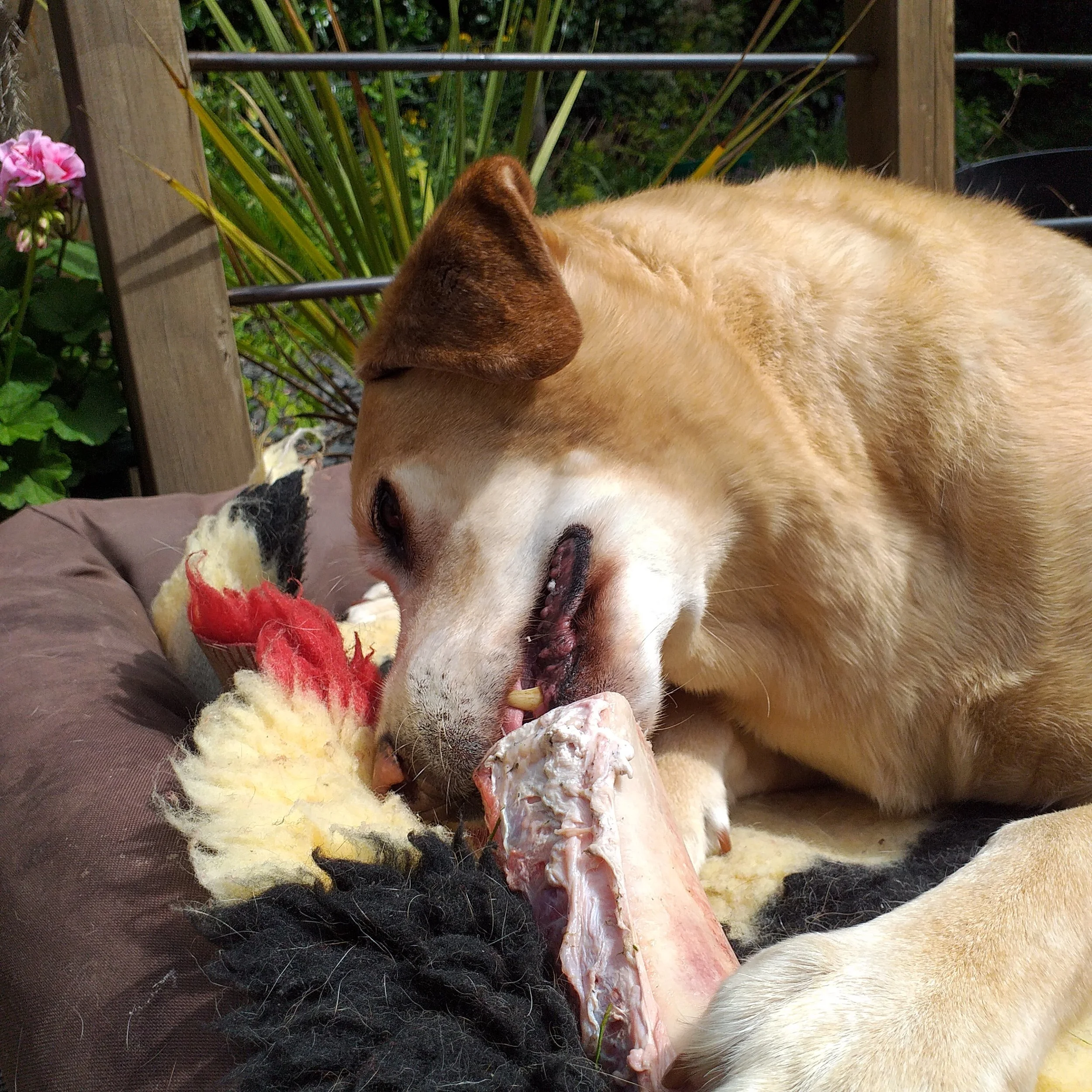
Recreational bones are not completely consumed within one sitting and add little if anything towards the dietary calcium requirements. These would be something like a large beef knuckle bone or a venison neck as an example. The main advantage of these large bones is that they keep the teeth clean and also provide the psychological benefits that come with the chewing action, such as a release of serotonin, dopamine and oxytocin, which are the calming and feel good hormones.

Recreational bones are for teeth cleaning and also release feel good hormones as the dog chews them. They are not included as bone content, as they are not consumed in one sitting.
With 90% of dogs in the UK under 3 years of age having some form of periodontal disease and needing a general anaesthetic to remove a build-up of plaque on an annual basis, kibble despite what we are lead to believe, does not clean teeth. If you watch a dog eat kibble they gulp and swallow, there is certainly no abrasive grinding taking place in order to keep the teeth plaque free.
Potential issues with certain bones:
If ever there is a problem with bones it is generally due to feeding a bone which is too small for your particular dog, leaving the dog unsupervised or giving very rigorous chewers weight bearing bones.
Chicken wings: Better suited for small dogs as medium and large dogs or those that are greedy feeders, can try and swallow them whole and due to the shape of the wings, carry a choke risk.
Marrow bones: The central marrow is extremely high in fat and can cause diarrhoea. They tend to be weight bearing bones so are extremely hard, which in very vigorous chewers can cause tooth fractures. There is the danger of the bone encircling the lower jaw when it has been chewed down into a “ring”, often requiring veterinary assistance. Dispose of the bone long before this risk is a possibility.
Neck bones: Chicken and duck necks are better for smaller dogs unless you can guarantee your larger dog will not swallow them whole. I have seen dogs do this on a number of occasions, with no negative consequences whatsoever as their strong stomach acid made short work of digesting it, but it is better that they chew them first. The necks have a good covering of meat on the bone and turkey and goose necks are ideal for medium to large breeds and provide a meal in themselves.
Vertebral bones: Bones that form the neck and vertebral column in larger animals such as sheep and venison, when eaten right down will become circular and have a higher risk of causing choke. This also applies to ox tail. If your dog has a reliable leave command then you can remove the bone when it starts to become eaten down into smaller sections.
Ribs: If ribs are fed from young animals such as lamb or beef then they are soft and contain a good amount of central red marrow and you will find that dogs can crunch them up with ease. The only potential problem and why it is essential to supervise your dog when they eat bones, is that they can very occasionally become stuck across the roof of the mouth and require assistance to remove them.
Avoid:
There are some pet stores that still sell large baked knuckle bones for dogs. They are often sourced from overseas and are extremely dangerous due to the likelihood of cooked bones splintering and causing perforations to the gut often with fatal consequences. Raw hide chews are also a major choke hazard and are known to cause obstructions in the bowel which require emergency surgery.
Choosing the right bone for your dog:
The main problem area when introducing raw bones to a dog is not offering a bone that is appropriate in size or type for that individual dog. It is always better to feed a bone that is a little too large than too small and also pair the bone with the chewing style of that particular dog.
If you are transitioning a dog onto a raw diet that has previously been eating kibble and you plan to feed edible bones then it is wise to leave 2-3 weeks before introducing whole bones to give the stomach acid time to adjust in order to adequately digest raw bone. Your dog will still be receiving his calcium ration from the complete minces that contain 10% finely ground raw bone.
Raw chicken or duck carcass are good starter bones as they still contain some meat on the bones and plenty of cartilage making them flexible and easy to crunch. They are usually from young birds which mean that the bones are still quite soft.
If your dog is straining to pass a motion or the stool is very white and crumbly then you know that they have too much bone content in their diet and you will need to re-evaluative the percentage. The majority of dogs do well on 10% - 12% bone in their diets with no issues.
If you feed raw mince which contains the standard 10% bone, be mindful when also giving whole edible bones alongside. This will mean that your dog could have too much bone in their system at once causing constipation or gut problems. If you want to feed the occasional whole edible bone then give a mince that has no bone content for that day.
Multiple dog households:
This can certainly be a big challenge for some owners and even the most placid dog can see a raw bone as the highest valued item he has ever been in possession of. If you have a dog that shows strong resource and food guarding behaviour then offering a raw bone of any type could be a tricky situation so unless you are working through this particular type of issue with a qualified behaviourist it is wise not to put the dog in that situation.
Every dog has to be treated as an individual character in order for things to run smoothly. Some will strut around for ages showing everyone their “prize”, others will just take the bone off into the garden and bury it, you may have a dog that becomes very protective of such a precious item and then there are those greedy ones that will chew until their mouths bleed or the nervous dogs whose motto is “if it`s in my stomach then no one else can get to it” and attempt to swallow the bone whole rather than risk it being taken off them by another dog or their owner. Offering the bone or trachea when it is directly out of the freezer can help slow the consumption down.
If you have a number of dogs with very individual ways of tackling a bone then it can prove extremely difficult to manage and the only safe way is for them to be sectioned off in their own safe space where they can relax and enjoy their bone. Edible bones tend to be eaten within minutes, so they are less of an issue than the recreational bone which can be around for days on end.
When whole raw bones are just not an option.
It is really important that you feel confident and happy in providing your dog with nourishing meals. If feeding whole bones, edible or otherwise causes you to panic and worry and is creating friction and tension within your four legged family, then just don’t feed them whole bones.
If you are giving complete meals where muscle meat, offal and ground bone is added for you, then your dog will be getting the calcium they need. If the percentage is not clear on the product label then ask the manufacturer, as it should be between 10-12 % ground bone. The raw bone is finely ground so it is unlikely you will notice it when dishing up and your dog will have no trouble digesting it.
Semi frozen tracheas are a good alternative to bones, especially for seniors or those with missing teeth, large dogs need the beef version while small dogs can manage the lamb.
If recreational bones are not fed and even tracheas cause problems then you will have to resort to other ways of keeping their teeth clean via a toothbrush or micro-fibre cloth and dog friendly toothpaste.
www.hedgerowhounds.co.uk

Herbal Dog Tea

A beautiful & fragrant blend of Nettle, Lemon Balm, Chamomile, Mint, Rosehips, Passion flower, Calendula, Rose, Cornflower, Fennel seed
Why the ingredients were specifically chosen for this tea:
Nettle- rich in minerals and contains natural antihistamine properties
Lemon Balm – relaxing & calming
Mint – Refreshing and uplifting and digestive stimulant
Chamomile – calming to body and mind
Rosehips – rich in antioxidants and vitamin C
Calendula – soothing for the skin and has anti-inflammatory effects
Fennel seed – very good for the digestive system
A few ideas of how to use:
The herbs can be used to make a tea which when cool, offered as a refreshing drink.
Make a strong brew and when cool, transfer into shaped moulds and place in the freezer
Add the tea directly into your dogs meals
If you feed vegetables, add to your dogs veg or blend with raw vegetables and freeze in ice cube trays for later use.
Stir some of the tea and a sprinkling of the herbs into natural yoghurt, place into a shallow tray, level out and then pop in the freezer for a couple of hours. You`ll then have a dog friendly ice cream treat for a hot, sunny day.
Once the tea has been made, the remaining herbs, which are now rehydrated, can be placed into your dogs meals or used in treat recipes

Here`s to many relaxing, balmy days in the garden with our beloved dogs.
A Dogs Digestive System- Immunity, Emotions and Microbiome
The more the gut is studied the more we realise the vital role it plays in achieving optimum health, disease prevention and stabilising our dogs emotional state.
At first glance the digestive system appears to have a very simple task of taking in food, digesting it, absorbing nutrients and then excreting the waste, and while everything is in good working order, we never even give it a second thought.
It is in fact an incredibly complex structure with a vast number of tasks to undertake. The more the gut is studied the more we realise the vital role it plays in achieving optimum health, disease prevention and stabilising our dogs emotional state.
Digestive process
Although the teeth are needed to some extent to bite, crush and tear off food the actual process of digestion doesn`t really start until it reaches the stomach. With no digestive enzymes in the saliva to kick start it off, food needs to quickly get where the real work begins, which is in the stomach.
Oesophagus:
Is a long muscular tube that runs down the neck, passes through the diaphragm and uses strong contractions to push food directly into the stomach.
Stomach:
The stomach lies at the front of the abdominal cavity, tucked just behind the liver and acts like a big mixing bowl.
Any incoming food is first subjected to an acid bath of around ph1, this immediately gets to work breaking down protein and also killing any harmful bacteria.
The walls of the stomach are lined with a thick mucous which provides protection from the strong acid as well as stopping the stomach from literally digesting itself.
As the stomach expands with food, a peptide hormone called gastrin is released, which in turn triggers more hydrochloric acid and digestive enzyme production.
To aid digestion even further the surface of the stomach is a mass of wrinkles and folds which expand and contract to grab food particles and perform a churning or chewing like action.
At this point the thick soup like constancy of partly digested food and secretions is known as chyme.
The food has now been in the dogs stomach for anywhere between five and ten hours and its next destination is the duodenum, the first section of the small intestine.
Pancreas
The pancreas is a small gland, which sits next to the stomach and is attached to the small intestine, here it transports digestive enzymes through two excretory ducts into the duodenum.
The enzymes it produces are amylase to help digest starch , lipase to digest fats and trypsin and chymotrypsin to deal with the protein.
Enzymes are needed to break down food into tiny molecules and allow the absorption of nutrients into the cells of the intestines which then go on to be released into the bloodstream.
It also produces and secretes the hormones insulin and glucagon that regulate blood sugar levels. The higher the concentration of sugar in the diet the more insulin is secreted into the bloodstream and the harder the pancreas has to work.
Liver
The liver is the largest gland in the body and the only organ that has the potential to regenerate after disease or injury.
Its many crucial jobs include producing bile to assist the small intestine in breaking down and absorbing fats and to process the nutrients that are absorbed by the small intestine.
Its other roles include storing vitamins and minerals, acting as a filter for toxins in the bloodstream and as a glycogen store for when extra energy is needed.
Small intestine
The small intestine is made up of three sections, Duodenum, Jejunum (longest) and the ileum (shortest)
On receiving the nutrient rich chyme from the stomach, it is joined by secretions from the liver, gallbladder and pancreas to further assist in the digestion process.
The small intestine is lined with millions of tiny finger like projections called the Villi, these act to increase the surface area in order to trap and absorb as many nutrients as possible.
Most of the absorption of nutrients takes place in the small intestine, which are then released into the bloodstream to travel throughout the body to be utilised by the cells.
The final and shortest part of the small intestine is called the Ileum, here the food gets broken down even further in preparation to enter the cecum, the first section of the large intestine.
Large intestine :
The large intestine is made up of the cecum, colon and rectum.
Its purpose is to remove water from the faeces, keep electrolytes in balance and to prepare and temporarily store any indigestible matter for excretion.
But there is much more activity going on in the colon than just that and although not a glamorous area of interest, it does deserve our full care and attention.
The large intestine has a high concentration of bacteria referred to as the Microbiome.
Microbiome.
The microbiome is a collection of microbes made up of bacteria, viruses and fungi that we all have in our gut for efficient digestion, absorption of vital nutrients and to build a strong immune system.
Our dogs would have acquired their unique bugs from their mother at birth and developed others depending on the environment they lived in and the food they ate.
The delicate balance of the microbiome can easily be disrupted by medication such as antibiotics, periods of stress and anxiety and a poor, unsuitable diet.
When everything is in balance these good bugs work hard to extract as much nutrition as possible out of the food that is consumed and to ensure the smooth running of the whole gastrointestinal tract.
The bacteria are also responsible for assisting in hormone production such as serotonin, which occurs in the highest concentration thorough out the lining of the gut.
A thriving, balanced microbiome is absolutely essential for the dogs ability to resist or fight disease, control inflammation in the body and for a positive influence on their mental wellbeing.
Rectum and anal glands.
The faeces are then ready to be expelled along with the indigestible matter and dead red blood cells that it contains.
Ideally the dogs stool will be quite firm, which will press on the anal glands as it is passed, causing the glands to naturally empty.
Emotions and the Gut
The gut is very sensitive to emotions, and I am sure we have all experienced the butterflies in the stomach, stomach cramps, that tight feeling in our guts or acid indigestion which can come on in a split second when we are nervous, excited, fearful or anticipating a particular event.
If this is a brief episode, it is unlikely to have any lasting health effects, if on the other hand it is a regular occurrence with little respite then the impact on the gut and therefore the health is huge.
There is a major factor in the link between gut health and emotions in the form of the enteric nervous system also referred to as the ENS.
The ENS consists of millions of nerves lining the gut and specialists often call it the “second brain” as it has complex pathways to relay information back and forth from the gut to the brain as they interact.
It is capable of shutting down the digestion in times of acute stress such as in a fight or flight situation.
Stress can be caused by many factors such as separation anxiety, excessive ball throwing so the dog is on a constant adrenaline high, inappropriate exercise for the dogs age or mobility, inability to cope in a stressful household and pain, illness or disease.
Whilst these are mainly emotionally based reactions that can be witnessed as the dog exhibiting certain behaviours, a poor quality, inappropriate diet, exposure to toxins or chemicals can also cause the body stress, which may not show any visible signs immediately but develop over time into disease or outwardly noticeable changes in health and behaviour.
A gut that isn`t functioning correctly can manifest as the dog showing anxious, edgy or reactive behaviour which in turn triggers the release of stress hormones into the blood stream such as adrenalin and in the case of cortisol increase the level of glucose in the blood and will over time adversely affect the adrenal glands.
Immunity and the Gut
The gut forms between 70 - 80% of the immune system and has a vital role in regulating immunity, protecting our bodies from invaders such as allergens and pathogens and controlling inflammation.
The food we choose for our dogs and the lifestyle choices we make for them will have either a negative or positive effect on their overall gut health, ability to utilise the nutrients in the food they eat, the essential fuel to grow and repair their body and to thrive well into their senior years.
Caroline Hearn MICHT. Dip. ICAT MIAAT- Canine & Equine sports & holistic therapist
www.hedgerowhounds.co.uk
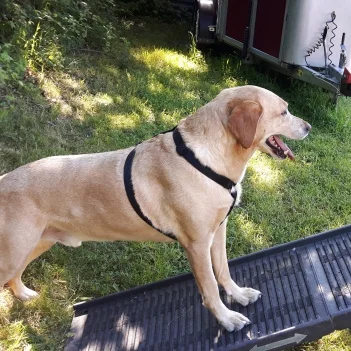
Teaching Your Dog to Use a Car Ramp.
Jumping out of the boot of cars puts huge strain on the dogs shoulders and forelimb joints. Getting dogs used to using a ramp when they are young is far easier than teaching an elderly dog or one that is recovering from an injury or operation.

Teaching your dog to calmly use a ramp to get in and out of the car is time well spent.
Sooner or later owners of medium or large dogs that cannot be lifted in and out of the car will need some assistance due to old age, injury, recovery after surgery or mobility problems.
Jumping out of the boot of cars, even for fit healthy dogs puts a huge strain on their shoulders and forelimb joints, so it is a good idea to get dogs used to using a ramp early on before they are actually needed. For dogs that have to regularly jump out of a high vehicle such as a 4×4 a ramp can save a lot of wear and tear to joints and prevent future injury . This is as important for young dogs with fragile, growing joints as it is for seniors with signs of arthritis. As the saying goes “an ounce of prevention is worth a pound of cure”
Where many people encounter problems is when the dog, that has never been introduced to a ramp before is suddenly presented with it at a step angle propped up against a car bumper. Then either the dog rushes and tries to jump it or flatly refuses to go up it, they will also often launch themselves out of the car rather than calmly come down the ramp. This is particularly unhelpful if you dog is recovering from an injury or operation.
To get your dog calmly and confidentiality using a ramp it is best to go back to basics and get them to walk along the ramp while it is flat on the ground and even asking for sit half way across it. Then slightly incline one end by propping up on a step to give them the sensation of transferring weight onto their rear quarters and walking up an incline.
Whatever you use must create a firm base that does not move and wobble around when your dog walks on it.
At this point add an audible cue such as “step” as soon as the dog is about to place a paw on the ramp. For dogs that have limited or no vision this is invaluable as you can say the word all the way up and down the ramp and stop the second they reach the top or the bottom which gives them an idea of where they are and a feeling of safety. After a while they get to know how many steps it takes to get to the end.
Treats can be a great help by either sprinkling a few along the ramp or have someone at the other end of the ramp to offer encouragement and a very tasty treat as a reward.
With dogs that rush at the ramp or elderly dogs that have limited body strength I have found a harness really helpful to steady them and give a feeling of safety. One hand on the harness and the other cradling their bottom can help no end. With regards to the surface of the ramp, make sure it is sturdy and non slip with a defined raised edge.
Once the dog is totally comfortable going up and down the ramp on a flat surface followed by raising one end, progress to placing it on the bumper of the car. Use you chosen cue word as the dog approaches the ramp and encourage them to calmly climb, tapping the ramp lightly with your fingers at first can sometimes help as can a treat placed at the end of their nose to guide them into the car.
A dog that waits as the boot is open is also going to make life easier for unloading them safely down the ramp so maybe some work is required with the wait command for the best results.
If the ramp is introduced carefully then should a time come when it is regularly needed it will be hassle free and such a help to your dog and also save any strain on your back if you have been attempting to lift them in and out of the car.
Caroline Hearn - Sports & Holistic Therapist MICHT. Dip.ICAT. MIAAT
www.hedgerowhounds.co.uk
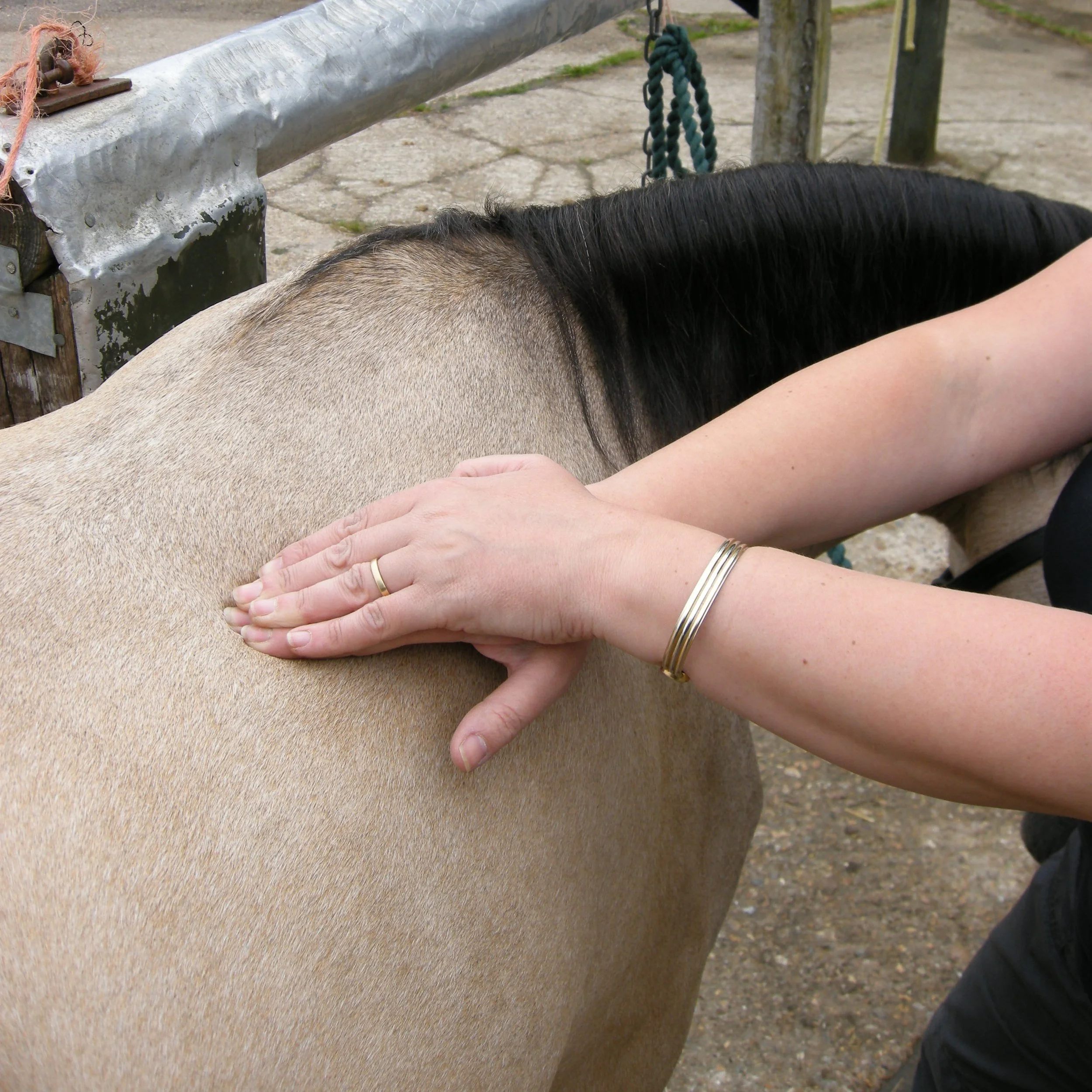
Fascia- What is it and why is it so important?
All body parts are interconnected by this continuous, vast silken web like structure, and we could travel from any chosen place in the body to another without ever leaving the fascia.

Fascinating Fascia
Within the therapeutic massage and bodywork industry fascia is becoming the hottest of topics and with so many discoveries as to its influence on the whole body, it is a therapy that can bring about huge benefits to those experiencing pain and loss of mobility.
Brief History:
The early discoveries of myofascial techniques started in the 1920s with connective tissue massage (CTM) developed by Elizabeth Dicke.
In the 1960s a technique called Rolfing was developed by Ida Rolfe. Rolfing seeks to re-establish vertical alignment in the body by manipulating the tissues to encourage the fascia to elongate and slide rather than to adhere.
The 1980s brought the term Myofascial Release (MFR), which was used by the therapist John Barnes. His method aimed to free any restrictions in the fascial system in order to relieve pain, restore function and mobility and to release emotional trauma.
In 2001 Thomas Myers released a book called Anatomy Trains, showing how the muscles are functionally linked in “myofascial meridians” throughout the body. This is still regarded by many therapists as the bible of myofascial work.
Dr. Pischinger book (2004) The Extracellular Matrix, is based on his 30-year study of fascia, where he states that fascia is the largest single organ in the body.
When I started my training as a massage therapist in 2000 there was little mention of the fascial system and it was regarded as of minor importance. Thankfully it is now a recognised treatment and fast becoming very popular in treating canine and equine patients who benefit from it in just the same way as we do.
So, what is Fascia?
The fascia is the tough, fibrous, sticky connective tissue that literally holds us together.
If we were able to magically dissolve all our muscles and bones, leaving the fascia intact, we would still have a complete three-dimensional representation of our bodily form, a little like wearing a 3D mesh body suit that would show off our bad postural habits in all their glory!
All body parts are interconnected by this continuous, vast silken web like structure, and we could travel from any chosen place in the body to another without ever leaving the fascia.
Fascia envelopes each and every structure of the body, from the tiniest nerve with its own fascial sheath, all our organs, muscles and bone and even the brain. So, you can see the potential for an injury or restriction in one part of the body to greatly impact on others.
Fascia is composed of two types of fibres called elastin and collagen. Elastin has the ability to stretch and has a “memory” ie: the tissues go back to its original state after stretching. Collagen fibres give strength but have no “memory” ie: they are unable to spring back after stretching.
A key role of fascia is to enable the gliding of adjacent tissues over each other, any restriction and loss of the gliding capability will resort in pain and loss of the range of movement. The musculoskeletal system is basically a system of pulleys and levers with the muscles and fascia pulling on the bones to produce movement.
Because fascia is a continuous fibrous sheet, restrictions and pain can be referred to other parts of the body. If you can imagine fascia as wearing a loose knit jumper and pulling one corner of it down, you will see that the snag in the jumper will distort the overall shape and travel to other areas, in this case as far as the neck area of the jumper, and this is how fascia responds and reacts. If one area is tight or injured, it will have a direct influence on the tissues around it.
The fascia is the richest sensory organ in the body with 10 times more sensory nerve receptors than muscle, the brain communicates far more with fascia than it does muscles. It also holds patterns of past emotional stresses and trauma and is considered as the second nervous system.
Many people report an emotional release and initially feeling very tearful after a session of myofascial release, so it must be something to be mindful of when treating animals also, especially those that have a history of emotional stress and trauma and be aware that they may require extra support after early treatments.
Superficial fascia lies directly under the skin, and you may have noticed this slightly opaque slippery substance when preparing raw meat such as chicken or in between separate muscles on a large joint of meat, such as a leg of lamb.
The deep fascia stabilizes, supports and maintains the dog’s posture during movement and is particularly important when travelling at speed and over uneven terrain. It is essential that working or competing dogs are kept adequately hydrated as dehydration can cause the fascia to become tight and inflexible, therefore making injury more likely. When injured, fascia can form adhesions, become inflamed and painful and with a poorer blood supply than many other tissues, this can lead to slow healing.
With the advancement of ultrasound imaging, Langevin et al (2011) showed that patients with long term low back pain have marked thickening and less sliding capabilities of the fascia in the lumbar area, so this would also apply to our dogs.
What symptoms of fascial pain might we see in our dogs?
Skin twitching, juddering or flinching, even with the lightest touch.
Subtle or marked changes in the coat direction such as the appearance of new swirls, waves and flicks.
Noticeable hot and cold areas on the body
Developing strange postures when lying down in order to get comfortable. This can be suddenly choosing to lay upside down or twisting in unnatural positions.
What appears as arthritic pain but does not respond to normal pain relief for arthritis such as anti- inflammatory medication, may instead be myofascial pain.
Triggers points, which are painful areas within a muscle that can often cause pain in seemingly unrelated parts of the body. This is known as referred pain.
Myofascial Release treatment (MFR)
Fascia displays a special characteristic called thixotrophy. This means that it has the ability to change from a solid to a more liquid gel like consistency, therefore becoming more pliable with movement and temperature. This is something a trained therapist can use to their advantage when carrying out a treatment through massage techniques, application of heat and therapeutic exercises.
Myofascial work can be deeper than the traditional therapeutic massage techniques so it is important to find a therapist that is qualified in this particular area and can adapt the treatment accordingly. This is essential if your dog has a painful medical condition, as overzealous manipulation of tissues can aggravate an existing problem.
Caroline Hearn MICHT. Dip ICAT. MIAAT.
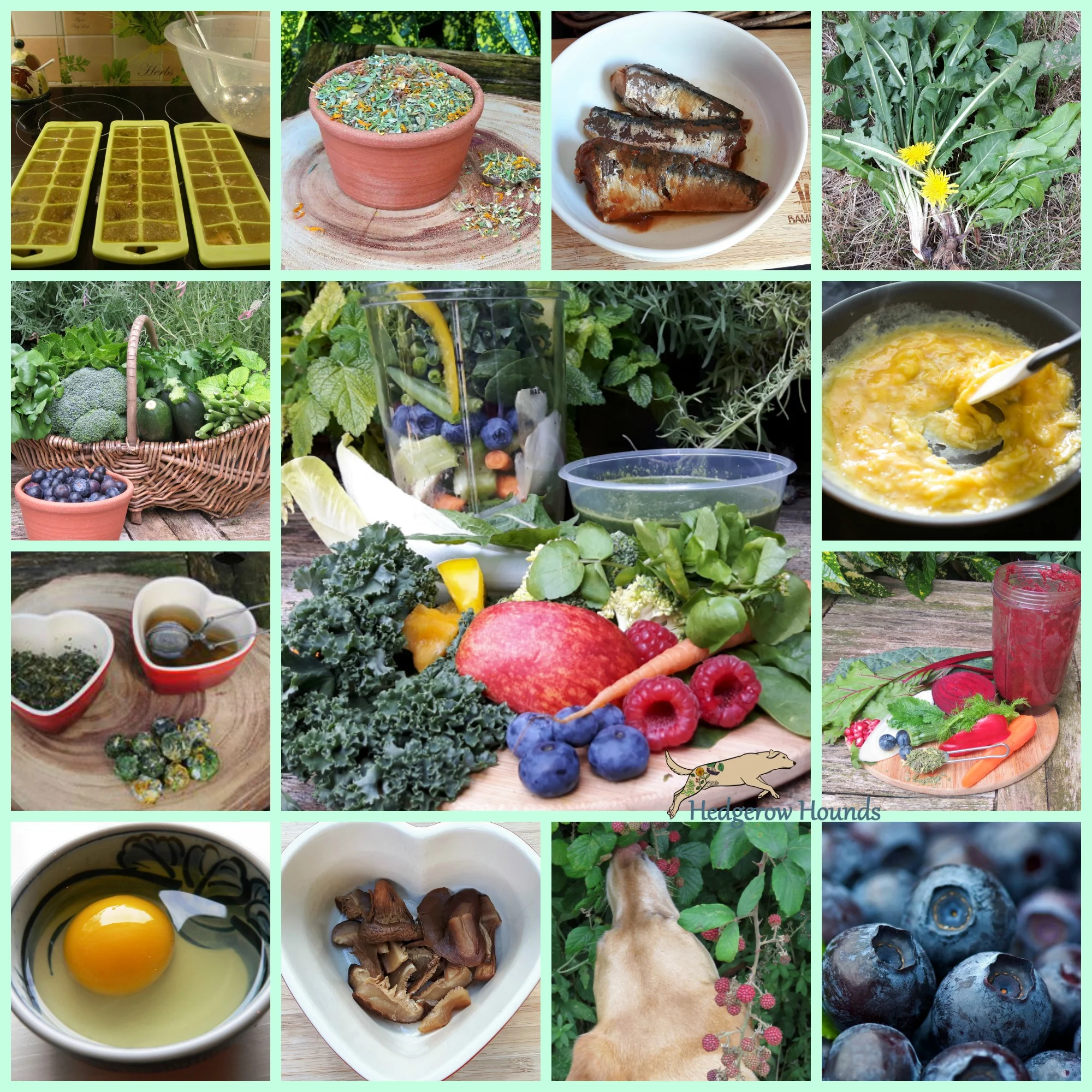
ADDING FRESH FOOD TO THE BOWL
Peak health starts with good nutrition, here are a few ideas to get you started
It is important to have fresh food in our diets in order to reach optimal health and the same goes for our dogs too.

There are a number of ways you can increase the nutritional value of the food you are feeding your dog. It is also an ideal way of starting to introduce fresh food if you are thinking of changing over to either a raw or home cooked diet.
Starting from the top left photo (clockwise) shows homemade Bone Broth which can be frozen in ice cube trays. It is a great source of glucosamine and chondroitin for joint health and very soothing for the gut.
The Hedgerow Hounds herbal blends are a quick and easy way to add a vast array of vitamins, minerals, antioxidants and fibre. They are of the highest quality and have been approved by our holistic vet. There is a blend to suit every dog and every season throughout the year. They can be fed dry, re-hydrated or as a tea. Great to use in your treat recipes or in a vegetable smoothie.
Oily fish is a real treat for some dogs but others are not so keen. If they don't like raw or lightly cooked fish then tinned mackerel or sardines will still provide a good source of Omega 3 fatty acids. Most dogs love these and they are perfect to have in the store cupboard.
Throughout the year there are a number of wild growing ingredients you can pick for your dog such as a few dandelion leaves, cleavers, chickweed, rosehips and blackberries. These can be added to their vegetables or treat recipes. Just make sure you always know exactly what you are picking and it is from an area free of traffic pollution and agricultural sprays.
Eggs - Either raw or very lightly cooked will provide a huge range of nutrients all in one perfect package. Talking of the shell, the inner opaque membrane can be removed and fed, providing extra nutrition for joints and ligaments.
If you want to add vegetables and berries to your dogs meals then a good way to do it is by making a smoothie which will assist the digestion of vegetables by breaking down the tough cellulose wall that plants naturally have. The ingredients shown are packed full of anti-oxidants for a real boost to health and the immune system. Make a tea with one of the Hedgerow Hounds herbal blends and add that to the veg before blitzing in a blender. The inclusion of pulped vegetables also adds welcome moisture to dry food.
You can set aside some vegetables when you are preparing your dinner and either blend or steam them to add to you dogs meals. Broccoli stalks, green beans, courgette, kale are all good choices rather than starchy root veg. Rotate the vegetables fed and include seasonal variations.
In Autumn you can pick your own blackberries or my dogs actually help themselves from the low branches. Freeze some for later in the year or you can add a few blueberries or raspberries for a vitamin C boost.
Medicinal mushrooms such as Reishii, Shiitake, Chaga, Coriolus have immune bosting and anti inflammatory properties and recent studies have shown them to have positive anti- tumour benefits. If you cant find fresh then the dried versions can be re-hydrated with hot water.
Kibble, tinned and home cooked meals can be improved on by adding a few berries, soaked seeds, Hedgerow Hounds Herbal Blends and vegetables. Little changes at the speed your dog can easily adjust to is a big step in improving the health and wellbeing of our dogs.
www.hedgerowhounds.co.uk

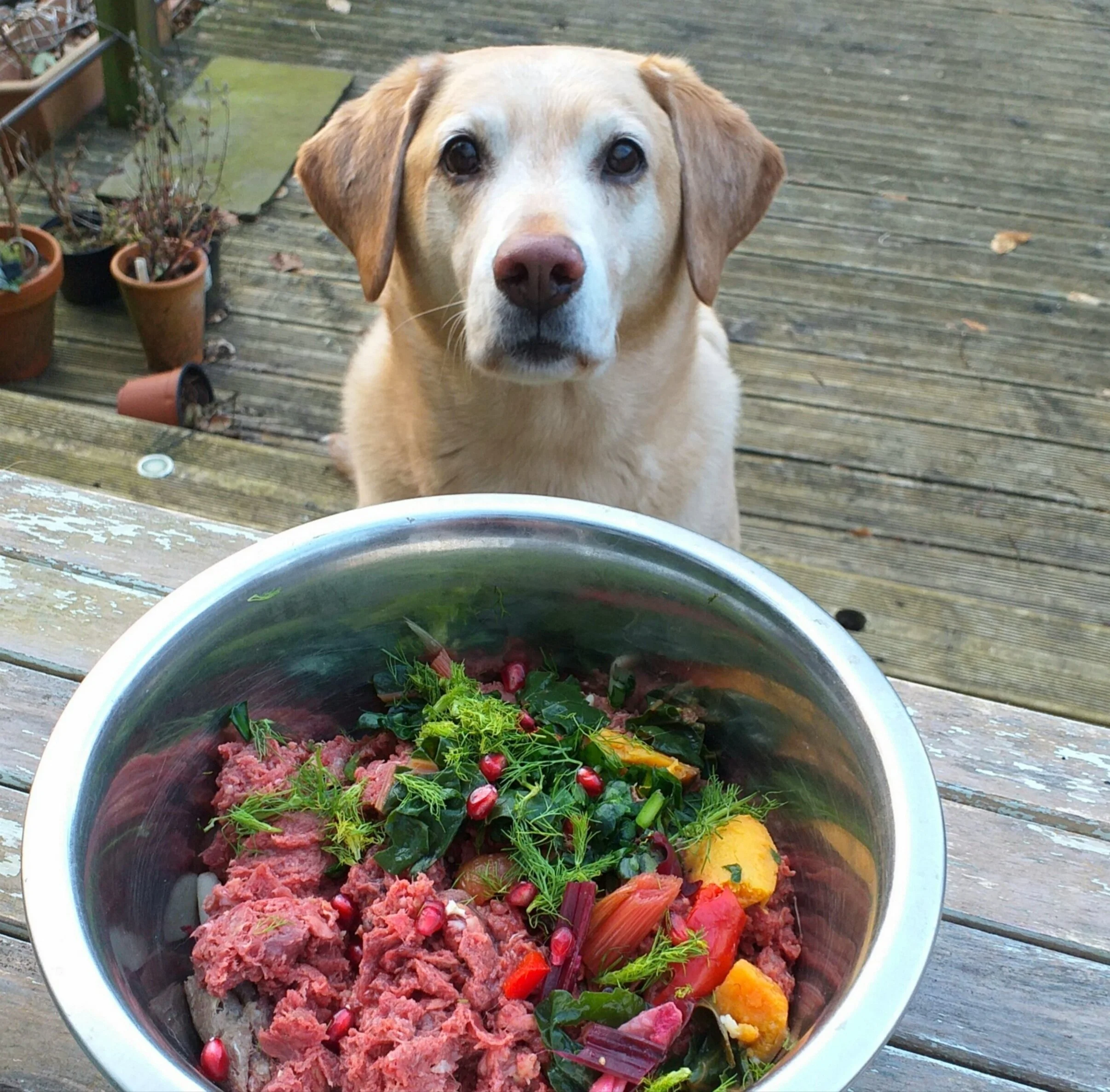
Styles of Raw Feeding
There are a number of ways to feed your dog a raw food diet. Here we explore the different styles and what will suit your dog and your own lifestyle.

There are several different ways to feed your dog a raw diet.
For some people it is personal preference, what suits their individual dog or what can be fed due to the availability of certain ingredients.
BARF
The most popular way to feed a raw diet is the BARF method which stands for Biologically Appropriate Raw Food or Bones and Raw Food.
Many barf complete meals add seasonal vegetables and include supplements so be mindful if you are also adding supplementation to these meals that you are not giving an excessive amount or doubling up on one particular supplement.
They tend to follow the percentage of 70% muscle meat, 10% raw minced bone, 10% offal (5% of which is liver) and 10% vegetables although there are variations within the brands some of which omit offal altogether and others will include 20% vegetables.
It may be a case of trial and error until you find a brand that suits your dog. Most of the raw manufacturers now offer a large range of proteins making it easy to rotate the type of meat and offer a good variety.
Barf meals are usually packaged in convenient tubs or tubes and are simply defrosted and served. This is a good way to feed if the owner is hesitant to handle raw meat or alternatively there are raw meals provided in the form of sausages which are simply lifted out with a fork directly into the bowl.
80-10-10: You can buy ready made complete meals with an 80-10-10 ratio in which 80% is muscle meat, 10% raw minced bone and 10% offal.
80-10-10 is a good choice it you want to either omit vegetables or have the flexibility to add your own.
Prey Model Raw (PMR) or Whole Prey: Prey model feeders try to replicate a very natural diet and will often not add any vegetable matter. Typically, the diet follows 80% muscle meat, 10% whole raw bone, 10% offal (5% of which is liver) The muscle meat tends to be offered in large whole pieces rather than a mince. When using the whole prey method an entire prey animal is fed such as a rabbit, quail, fish, pigeon or chicken etc which has the fur and feather left on to add to the ration. It can be difficult to source many different types of whole prey in order to add variation and not every dog will eat this way.
DIY: This can be the cheapest way to feed a raw diet but it does require additional research in order to get the correct ratio of meat, bone and offal plus a reliable source of ingredients in order to rotate the proteins and provide a broad range of nutrients. Making up your own meals gives flexibility and can be useful for dogs that need certain proteins omitting from their diet due to intolerance and sensitivities, but it is important to seek advice in order to provide all the essential nutrients that your dog needs to thrive.
Caroline Hearn ISCP.Dip.Canine.Raw.Nutrition, Dip ICAT