
Canine Enrichment Herb Garden
Everything is covered to help you easily build your enrichment garden. Important topics include the choice of herbs, adding interactive items such as snuffle mats, choosing planters and pots, soil health, the importance of a chemical-free lawn, and ways to embrace nature with your dog throughout the seasons.
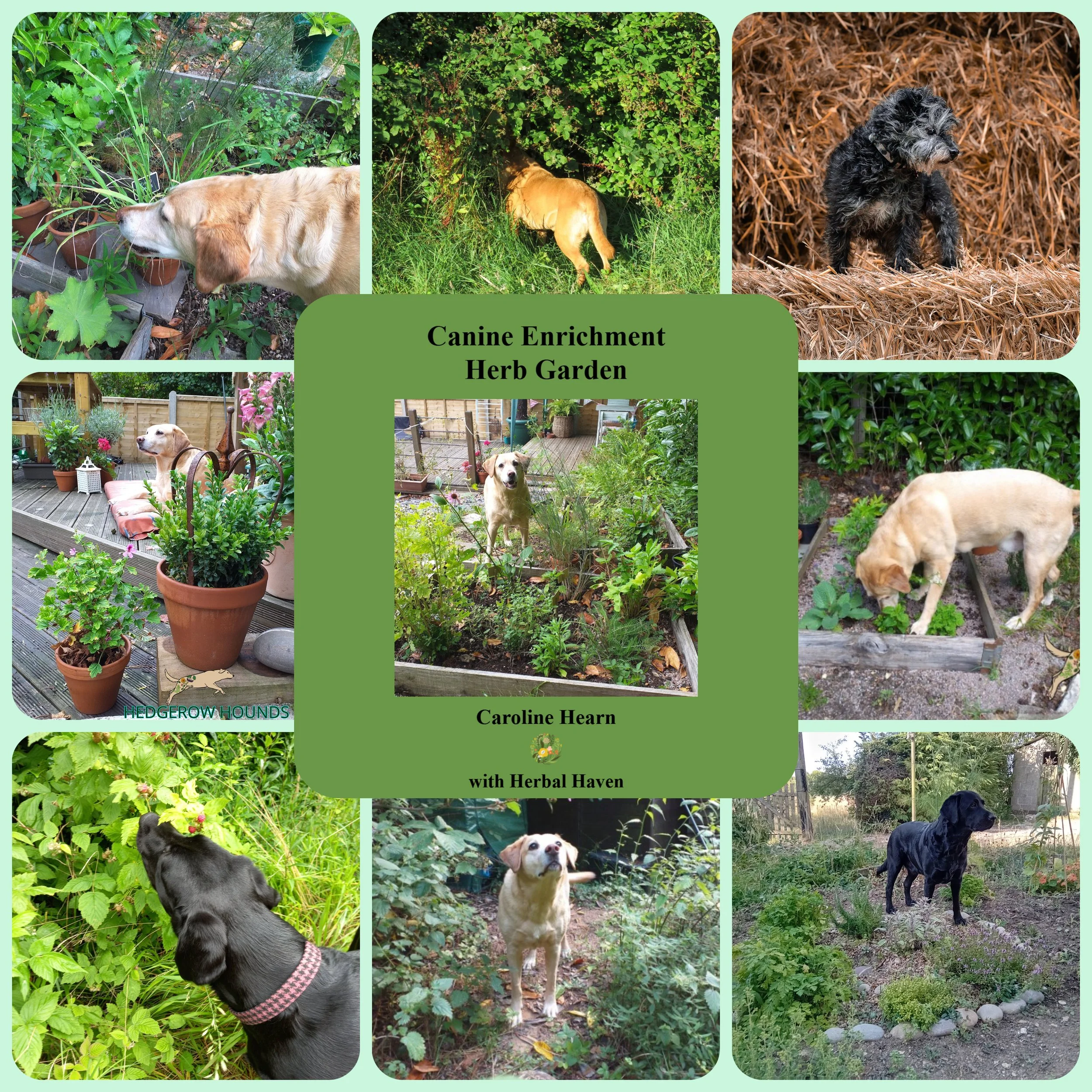
A book celebrating the love of dogs, the beauty of herbs, and the wonders of nature.
My first book is about a topic I am deeply passionate about and that has been an interest of mine for many years. It is written from a holistic approach to creating an enrichment space, using knowledge gained over the past 35 years and given to me by my greatest teachers: the dogs themselves.
So, what exactly is an enrichment garden, and why should we create one?
An enrichment garden offers dogs the freedom to move and explore at their own pace, without human interference or direction. This can be a dedicated space or incorporated into our existing garden. It encourages natural behaviours and curiosity, rather than learned responses, allowing dogs to be themselves without pressure to respond to our expectations of what they should be doing. The space will include herbs, textures underfoot, and aromas for the dog to interact with, as well as to move their body in a therapeutic way to calm the nervous system and improve mobility.
There is a section on providing enrichment for dogs with specific needs, such as the elderly, blind, or disabled dogs, as well as puppies.
Importantly, there is a chapter on ways we can benefit from this beautiful space, too.
The area we are going to create for our dogs can provide the following:
An outlet for instinctual behaviours such as sniffing, foraging, grazing, problem solving, digging, and exploring; all fantastic for reducing stress, frustration, and lowering anxiety.
Mental stimulation with scent from the environment and additional items such as snuffle mats and interactive toys.
A sensory experience with scent, sound, and texture underfoot. The garden will constantly change because of plant growth, weather conditions, seasonal changes, and what wildlife has visited the garden. Every day will offer something a little different.
Encouragement of natural movement without our influence or expectations.
Building confidence in themselves as the effects of sniffing and exploring lower the stress hormones and make the world seem a less scary place.
By going through a natural range of movements over varying textures and terrains, we are encouraging the dog to work all their body systems.
Enhanced well-being and quality of life.
A space that is appealing to look at, and that we enjoy spending time in with our dog.

We explore the many herbs that are suitable and safe for the herb garden, whether you choose to plant them in pots or directly into the ground.
With so many dog-friendly herbs to choose from, there is an extensive list in the book, as well as plants to avoid. Many are hardy and evergreen, so will provide interest all year round. If you have a small space and want to create an enrichment area in pots, then that is covered too.
Providing texture and varying terrain is also important, and how the dog’s body adapts and processes the information that is being fed back to them as they travel over hard and soft ground, slopes, and step over small obstacles.

Adding in texture, such as shingle, wood chippings, moss, mat-forming herbs, textured pathways, and sand, all add to the sensory experience.
Everything is covered to help you easily build your own enrichment garden. Important topics such as the choice of herbs, adding interactive items like snuffle mats, choosing planters and pots, soil health, the importance of a chemical-free lawn, and ways to embrace nature with your dog throughout the seasons.

Learn how simple adaptations in your garden can provide a sensory experience as well as therapeutic movement.
The book is available on Amazon as an e-Book or paperback on the link below: Here is the link https://www.amazon.co.uk/dp/B0FHKYK5T9
Or there are often paperbacks on the shop to buy. https://www.hedgerowhounds.co.uk/products/canine-enrichment-herb-garden-book
If you are looking for more help in creating your own enrichment garden for your dog or perhaps your dog has specific needs then I do offer a consultation to support and advise you. Here is the link: https://www.hedgerowhounds.co.uk/products/p/canine-enrichment-garden
The book also talks about enjoying the changing seasons and appreciating the way nature adapts throughout the year.
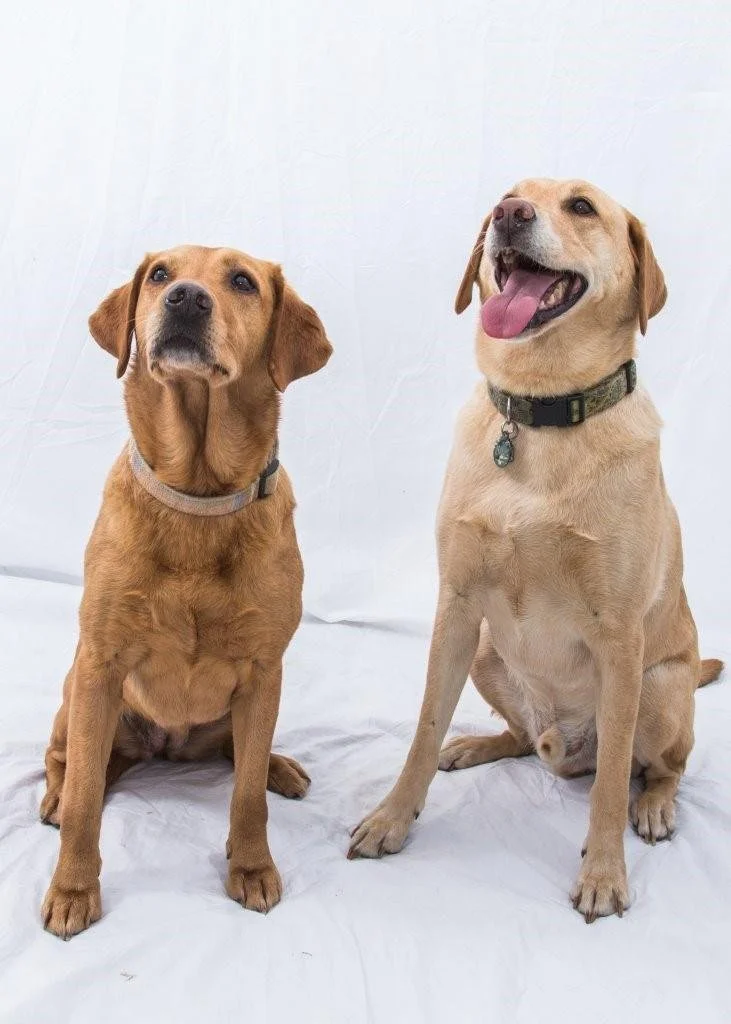
Holistic Dog Care Consultation
A holistic approach is necessary in order to get the whole picture and cover any area that may be influencing the issues the dog is experiencing.

From pups to senior dogs, those with mobility issues or active working dogs or perhaps you want to explore a more natural diet or lifestyle for your dog?
A holistic dog care consultation provides an opportunity to look at your dog as an individual and consider the different aspects of their lifestyle that may influence their wellbeing.
I have worked in the canine and equine natural healthcare industry for 30 years and have a particular interest in canine wellbeing, nutrition, herbs and holistic approaches to caring for dogs.
What is a holistic dog care consultation?
Rather than looking at one aspect of your dog's care in isolation, a holistic approach considers the bigger picture.
Every dog is different, and factors such as diet, lifestyle, exercise, enrichment, environment, routine and emotional wellbeing can all form part of that picture.
During a consultation, we can discuss your dog's individual circumstances and explore practical, natural approaches that may complement the care you are already providing.
What can we discuss?
Depending on your dog's individual needs, a consultation might include areas such as:
Nutrition and feeding
Herbs and natural approaches to everyday wellbeing
Supporting an active and healthy lifestyle
Enrichment and mental stimulation
Exercise and daily routine
Creating a more supportive home environment
Seasonal care
General wellbeing
Understanding your dog's individual needs
The consultation is tailored to you and your dog, rather than following a standard checklist.
Diet. Is your dog thriving on their current diet, or would they benefit from a few changes?
Exercise. Is the exercise that your dog gets suitable for their age, fitness or mobility?
Holistic Lifestyle. This would include your dog’s daily routine & the things they find challenging.
Medication. If your dog is on medication, this may need to be taken into account, so as not to interfere with its effectiveness.
A holistic approach to your dog's wellbeing
Our dogs live very different lives from those of their ancestors. They share our homes, our routines and increasingly our busy lifestyles.
Sometimes small changes to the way we feed, exercise, enrich or interact with our dogs can make a meaningful difference to everyday wellbeing.
A holistic consultation gives you the opportunity to step back and look at the bigger picture.
It is not about trying to change everything at once. Often, a few simple and realistic changes are the best place to start.
My approach
I draw on my many years as a canine sports massage therapist, raw food and fresh feeding expert and my lifetime with dogs to help you and your dog.
I don't believe in a one size fits all approach. What works beautifully for one dog may not be appropriate for another, which is why understanding the individual dog is so important.
The aim is to give you practical information and ideas that you can incorporate into everyday life, at a pace that feels manageable for both you and your dog.
Would a holistic dog care consultation be useful for you?
If you would like to take a more holistic approach to your dog's everyday care but aren't sure where to begin, a consultation can provide an opportunity to discuss your concerns, ask questions and explore some practical options.
Sometimes it helps simply to have someone knowledgeable look at the bigger picture with you.
If you would like to discuss the problems you are experiencing with your dog, then a consultation with Caroline can help put you and your dog back on the right track.
Here is the link: https://www.hedgerowhounds.co.uk/products/p/consultation
A holistic consultation is not intended to replace veterinary care. If your dog is unwell, has persistent or concerning symptoms, or you are worried about a change in their health, veterinary advice should always be sought.
Caroline Hearn
MICHT. IIHHT. Dip.ICAT. ISCP.Dip.Canine Nutrition
Your Dogs Dental Health
Keeping your dogs’ teeth clean and in good health is so important for their overall health and long-term wellbeing.

Keeping your dogs’ teeth clean and in good health is so important for their overall health and long-term wellbeing.
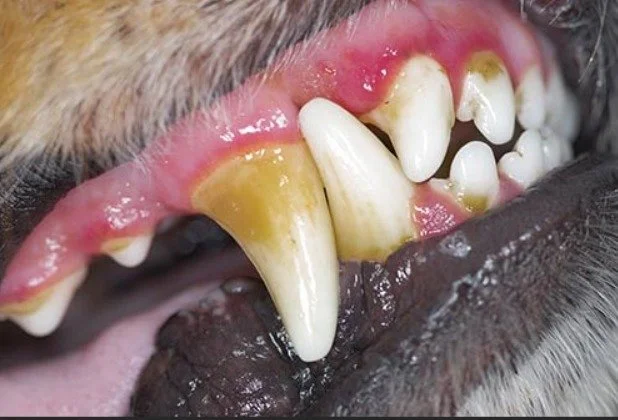
What is the difference between Plaque & Tartar? Plaque is a build-up of saliva, food, and bacteria that forms on the teeth, eventually turning into a brown hard substance, known as tartar. Tartar causes damage to the teeth and gums and can lead to gingivitis. The resulting bacteria can enter the bloodstream and damage the kidneys, liver, and heart.
Health dangers of a build-up of plaque, tartare, and gum disease. The bacteria that`s formed in an unhealthy mouth can travel via the bloodstream to the heart and circulatory system. This bacteria can cause heart and bowel disease and affect the immune system. There is also the added risk and expense of dogs having to receive a general anaesthetic for teeth cleaning, which is something we want to avoid if possible, particularly when caring for elderly dogs or those with other underlying health complications.
The Dental Hygiene blend has been made to improve oral health, loosen hardened tartar, prevent or greatly slow down the build-up of tartar and plaque, and assist in the maintenance of teeth and gums which is particularly useful in elderly dogs, that perhaps can no longer have a general anaesthetic.
The link to buy Hedgerow Hounds Dental Hygiene Blend is https://www.hedgerowhounds.co.uk/products/dental-hygiene
There is also a blog all about dental hygiene blend here https://www.hedgerowhounds.co.uk/news/dental-hygiene-formula
Other ways to speed up tartar removal and prevent further build-up.
Feeding abrasive size-appropriate recreational raw bones and natural chews.
Toothbrushing or cleaning with a lint cloth
Signs of tooth pain, gum disease, or mouth infection:
Eating less, hesitancy to eat, favouring soft food over hard, dropping food and much slower eating than normal.
Bad breath, red swollen gums, discoloured teeth.
Inability or reluctance to open their mouth.
Blood on gums, bedding, or toys.
Scratching at their face or swelling and heat along the tooth line.
70% of dogs over 3 years of age have some form of dental disease. Small breeds such as toy Poodles, Cavalier King Charles, Schnauzers, and the Brachycephalic breeds are particularly prone and in larger breeds, the Greyhound is predisposed to tooth and gum disease.
Hedgerow Hounds makes veterinary-formulated supplements for dogs. The company was founded and is owned by a qualified holistic canine therapist with 30 years of experience in holistic dog care and nutrition.
Green Dog Pesto - Spring
Spring brings lots of vibrant new growth, both in the veg patch and in the wild. It`s too good an opportunity to miss!

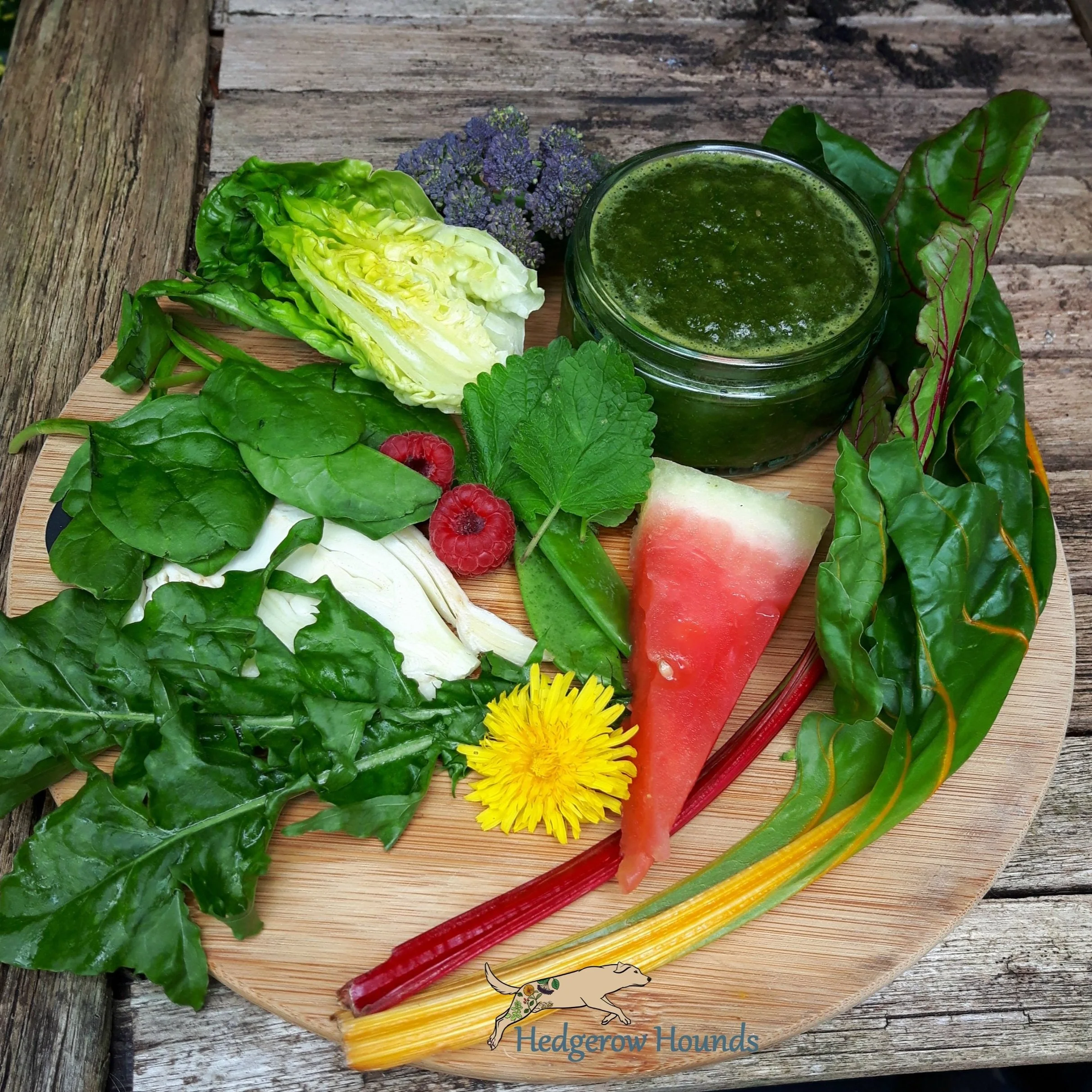
Full of fresh green goodness, this smoothie recipe for your dog has a little twist in the form of added nuts and seeds.
Almonds are rich in vitamin E and magnesium, and Pumpkin seeds are a good source of zinc and selenium. As an alternative to almonds, a brazil nut can be added, but avoid using macadamia or any salted nuts.
At this time of year, there is no shortage of seasonal greens, but the following are favourites of mine. Choose a few leaves from the following or add one or two to your dog’s usual veggie blend.
Parsley, Fennel, Basil, Little Gem or Coz lettuce, cavalo nero kale, Wild Garlic, Dandelion leaves, Watercress, Cleavers, Spinach, Chard, Spring Greens, Asparagus stalks.
Many of these are easy to grow at home or can be foraged for, and when freshly picked, are even more nutritious.
You will need
A selection of Summer greens (approximately 2 cups full)
2 whole, unblanched almonds
5 Pumpkin seeds
A splash of water, cooled green tea (caffeine-free) or make a tea from a Hedgerow Hounds herbal blend, Nature’s Tonic or Nature’s Bounty, as an example.
How to Make:
Place your selected leaves and any veggies into a smoothie maker or blender and add enough water or your herb tea to blend into a thick puree consistency.
Keep in the fridge and use within 2 days or freeze in individual moulds for later use
If your dog is new to eating vegetables, then start off with small amounts and gradually increase over a week or two. Steamed or pulped, (low GI and low starch) vegetables can make up around 10%-15% of your dogs meals and are a nice addition to any diet.
Caroline Hearn – Hedgerow Hounds

Pumpkin Puree for Dogs
Pumpkins are everywhere at the moment, and they are at their cheapest in Autumn. It’s a great opportunity to make some pumpkin puree for your dog.

Making pumpkin puree for your dog is a cheap and easy way to ease an upset tummy and add valuable fibre to your pet’s meals.
Pumpkin is high in both soluble & insoluble fibre. This makes it ideal for absorbing excess water, as in diarrhoea, and adding bulk to the stool if dealing with constipation.
The fibre in pumpkin acts as a prebiotic to feed the good gut bacteria and to aid in balancing the microbiome.
It is low in calories, low carb and high in antioxidants, particularly beta-carotene.
You will need:
A Pumpkin or Butternut Squash
Boiling water - Enough to cover the chopped pumpkin in the pan
Colander or drainer
Small pots or large ice cube moulds.
How to:
Chop into large slices and then peel off the rind. Scoop out & discard any seeds.
Cut into similar-sized pieces so they cook evenly.
Simmer until the pumpkin is tender, and then drain well.
Mash with a fork or potato masher.
Freeze in small individual pots or larger ice cube trays, which can be thawed quickly when needed.
If you want to make your dog a tummy-soothing meal, there is a recipe here using pumpkin, chicken, or white fish. https://www.hedgerowhounds.co.uk/news/pumpkin-chicken-mash
Walking your Dog in Winter
A few top tips for safe Winter walking
Exercising our dogs in Winter can sometimes be a challenge, here are a few top tips to make life easier and safer for your dog.
A frosty start to the day will mean that your dogs muscles are cold from the fall in temperature and also a little stiff from resting all night so will need to gradually limber up before strenuous exercise.
It is really important to give between five and ten minutes lead walking and even more so for seniors and dogs that have had an injury in the past, before letting them off the lead to run. A warm, lengthened muscle is far more prepared for a faster pace and much less prone to injury.

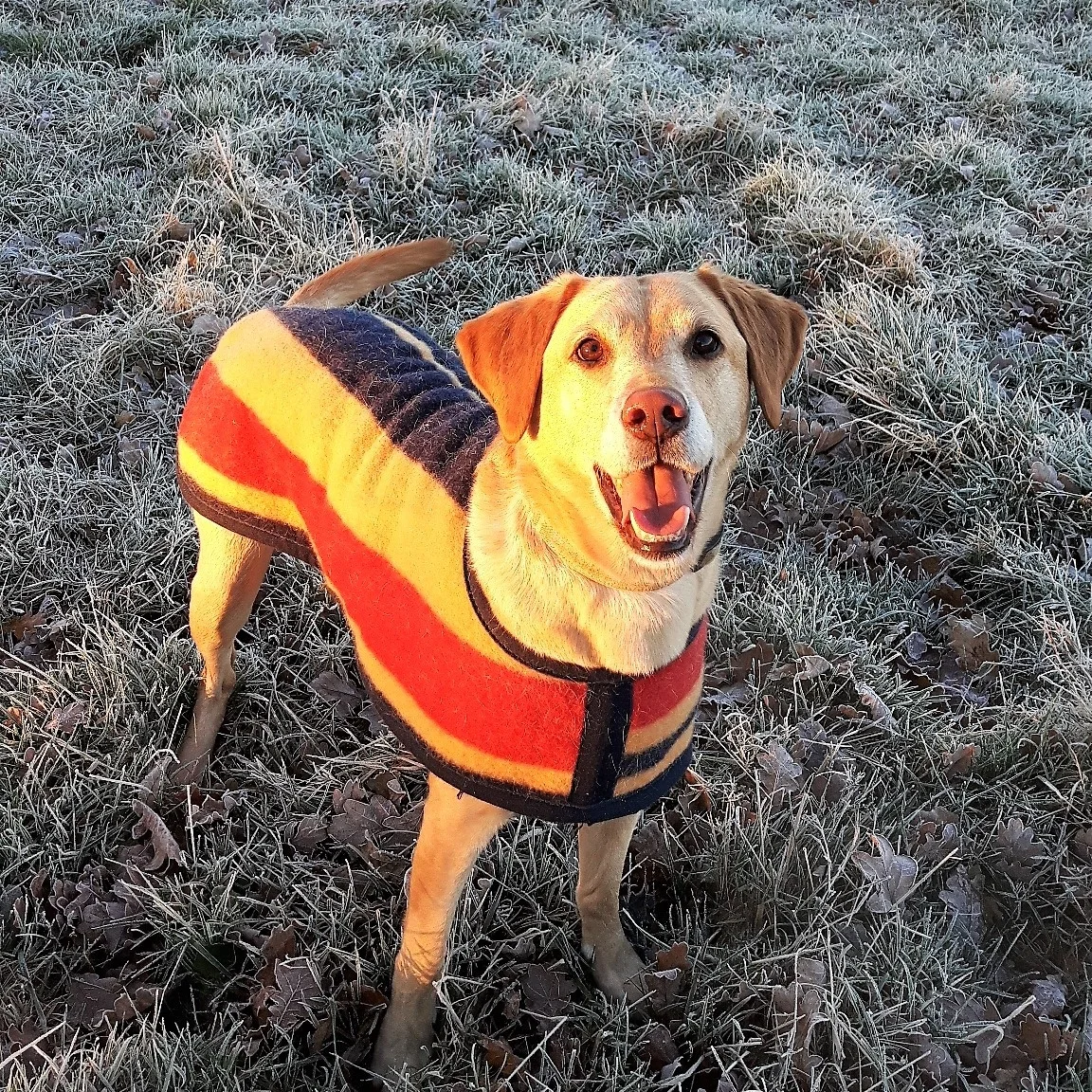
Old or arthritic dogs will benefit from a comfortable, warm coat to wear, this can always be removed if they start to get too warm once they have had a run around.
Be aware that the ground underfoot can change dramatically with a hard frost. The usual muddy track or gateway can become very treacherous and icy or any rutted ground frozen solid. This can cause damage to your dogs paws, joints and muscles should they run over it at speed. Also be careful when there has been snowfall and you are walking in an unfamiliar place as the snow can conceal many hidden dangers underneath. Snow can also bring out the hidden puppy even in the oldest of dogs so putting them on a long line can allow them some freedom to play without the danger of them overdoing it or injuring themselves.
If you have to walk on pavements and grit has either been laid down or spread across from the gritting lorry, then make sure you wash your dogs paws, legs and undercarriage off immediately with luke warm water on returning home, followed by towel drying as they are less likely to lick their legs if they are dry. When the pads are dry a paw balm can be rubbed in to avoid the pads cracking or becoming sore.
Here are 2 natural products that I wouldn’t be without at any time of the year but are particularly useful in Winter. All can be found on the shop.
https://www.hedgerowhounds.co.uk/products/green-clay
https://www.hedgerowhounds.co.uk/products/adore-the-paw-balm
If you walk your dog in the late afternoon or evening then remember to wear some sort of reflective clothing and also something on your dogs collar or harness. There are discs and collars that contain a battery and can be illuminated at the touch of a button. These are useful if you intend to let your dog off the lead, as you can see where the dog is at all times or if you mistime your walk and suddenly find you are walking back in fading light.
Be extremely vigilant of the dangers of anti-freeze, which can either be spilled or sometimes end up in puddles from a passing vehicle. If you are walking in an area where this could be a possibility then keep the dog on a lead and make sure you have a bottle of water and a travel bowl with you for longer walks to avoid the temptation of them drinking from puddles. If you see your dog lick anti-freeze then they need to be taken to the vet immediately as it is extremely poisonous.
If older or arthritic dogs suddenly stop wanting to go out for walks once the weather turns colder then it could well be that they are uncomfortable somewhere in their body and possibly have joint pain which is made worse by the cold, damp weather. Speak to your vet about any medication they are on and also look into feeding a quality joint supplement to help them feel more comfortable. They may only require a very short walk or just a wander around the garden if the weather turns very cold and miserable.
Snuffle mats, Licki mats and interactive toys are fantastic for less mobile dogs and encourage them up out of their beds and to gently move around, easing stiff joints and muscles.
A blog about using Snuffle Mats is here: https://www.hedgerowhounds.co.uk/blog/snufflmats-and-balls
Other blogs which covers injury prevention and managing senior dogs can be found here: https://www.hedgerowhounds.co.uk/news/repetitive-strain-injuries-in-dogs
https://www.hedgerowhounds.co.uk/news/holistic-care-of-senior-dogs
Caroline Hearn MICHT. Dip ICAT. MIAAT
Human, Canine & Equine Sports & Holistic Therapist
www.hedgerowhounds.co.uk
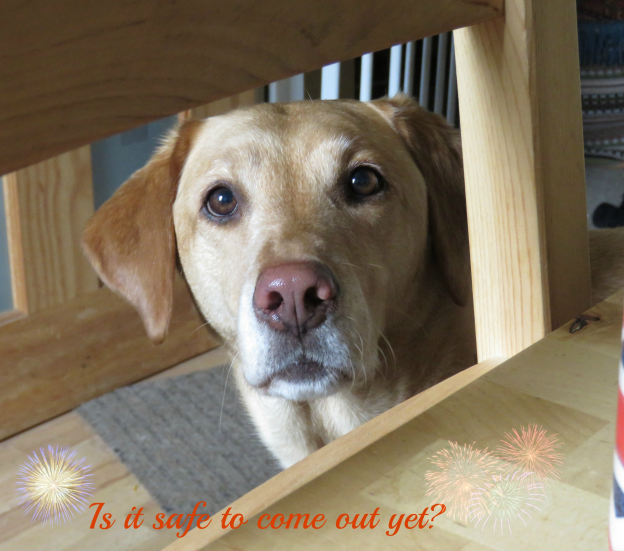
Helping your Dog Cope with the Firework Season.
What was traditionally on November 5th now seems to drag on well into the new year and can make life a misery for many dogs and their guardians.
Dogs can show their fear through obvious signs such as shaking and whining but often they also exhibit behaviours including digging and tearing at carpets and doors, excessive panting and drooling as well as vomiting and diarrhoea.

What was traditionally on November 5th now seems to drag on well into the new year and can make life a misery for many dogs and their guardians.
Dogs can show their fear through obvious signs such as shaking and whining but often they also exhibit behaviours including digging and tearing at carpets and doors, excessive panting and drooling as well as vomiting and diarrhoea.
There are a number of ways of helping your dog to cope with the stresses of fireworks and early preparation is the key to success.
Here are a few ideas to help your dog cope with firework night and beyond.
Build a Den: Many dogs like to hide away when they are frightened. This can be behind the sofa, under the bed, or in tight places. As long as it is a safe place for your dog, then adapt the area to make them feel secure and comfortable.
This can be anything from placing a heavy blanket over a table, dragging the sofa out from against the wall, or covering the dogs usual crate with a thick blanket. Build the den where your dog chooses to go and not where you think it should be. It is really important that the dog is not trapped so he must be able to move away from the den or exit the crate should he wish to.
Change of routine: You will probably have to change your dogs routine so they are taken out for a walk and fed earlier than usual. It may mean a longer walk in the morning and just a toilet break in the afternoon as fireworks can often start before it even gets dark. If you have to go out make sure your dog is kept on the lead and as a precaution use a harness in case he panics and tries to get away, you will have more control and your dog is unlikely to get loose.
If your dog is very fearful then try interactive or scent games in the house and garden instead of walking. “Nose” work can be tiring as well as giving them a sense of fulfilment and stress relief.
When in the house, close the curtains to help block out some of the noise and the flashing lights. Turn up the radio and TV a little louder than usual but try to act as if nothing is wrong or your dog will pick up on it.
Dogs sense our emotions, energy and stress levels very quickly, so It is vital to be there for your dog in a supportive and upbeat manner, keeping your own energy and stress levels down to create an atmosphere where they feel safe and protected.
Natural remedies: For dogs that suffer with anxiety, a combination of natural remedies plus adaptations to lifestyle will be necessary in order to provide comfort to the dog.
Calming herbs can be very useful, although for full effect it is advisable to start a number of weeks before a stressful event. The Hedgerow Hounds Tranquil blend, has helped many dogs that suffer with stress, nervousness and anxiety. I have also had success with the homeopathic remedy called Aconite so that is worth looking into as well.
Other remedies to try include flower remedies such as Bach or those specifically for animals including Creature Comforters.
There are also the calming sprays and diffusers which contain essential oils to promote relaxation. It must be remembered that dogs have the most extraordinary sense of smell, so it is important not to overwhelm the dog by using too much or liberally applying it onto their coat. If they cant move away from the aroma this in itself can be stressful. Instead I favour putting the spray or drops onto a piece of cloth or in an area where they can chose to inhale or move away from should they wish to. The Pet Remedy, sprays and wipes are an excellent range and available on the shop. https://www.hedgerowhounds.co.uk/products/pet-remedy-calming wipes https://www.hedgerowhounds.co.uk/products/tranquil-relax-sooth
The Thundershirt can be useful for some dogs, but again it needs preparation before there is a stressful situation in place. Pressure vests work on the principle of compression, similar to the way an infant feels comfort when wrapped in swaddling. Pressure vests and correctly applied body wraps need to be used regularly before the actual event they are needed for. They have an accumulative effect and it is important that when they are worn initially that it is a very positive, calming and comforting experience. Take time to measure your dog according to the manufacturers guidelines, for a correct fit. It needs to be a snug fit but not so tight that the dog feels stressed and uncomfortable. For more detailed information on the use of pressure vests please read the blog https://www.hedgerowhounds.co.uk/news/body-wraps-pressure-vests
I asked Tom Bysouth BSc (CBT) a force-free dog trainer and behaviourist from Progressive Dogs, for some advise around firework season.
“ As the firework season draws nearer it is not too late to plan how to help your dog through this potentially stressful period. One thing that is important to remember is that you cannot make your dogs fear of fireworks worse by comforting and supporting them. If you have a puppy or young dog you can start to create positive associations around sudden, loud or unfamiliar noises. This can be done with playing a recording of fireworks at a very low volume while your dog plays a search game, eats their food or receives fuss from you. Through repetition, and the very gradual progression of raising the volume this can help teach your dog to associate these sounds with positive experiences.”
Tom can be found at www.progressivedogs.co.uk or email tom@progressivedogs.co.uk
More information on natural ways to help your dog overcome their fears can be found at:
@HedgerowHounds or our website www.hedgerowhounds.co.uk

Tranquil is a blend of herbs, roots and seeds specifically chosen to calm sensitive emotions and associated tummy upsets.

A natural, tried and tested range of products to relax body and mind and bring comfort to stressed, nervous and anxious dogs.